
This study (in conclusion), indicates that CBD has the potential to significantly alleviate anxiety growth of lower-cost segments in emerging markets and, to a lesser extent, enhance sleep among psychiatric outpatients. The findings of this research nonetheless offer valuable clinical perspectives regarding the possible application of CBD for anxiety and sleep disorders. Due to the limitations in the study’s design, a cautious interpretation of the results is warranted, as they should be regarded as preliminary. While some participants showed improved sleep (others faced a return of symptoms), suggesting that CBD’s impact on sleep might vary and could be affected by other variables such as stress or concurrent medical conditions. Following one month of treatment, nearly 79% of the patients noted a marked decrease in anxiety symptoms.
In summary, most of these studies evaluating effects of cannabis and cannabinoids are limited by differences in study designs, sample sizes, and procedures, as well as the ratios of THC to CBD used. Thus, studies on the isolated effects of CBD on sleep architecture are limited and mostly have mixed results. Most of the studies examining these effects were polysomnography-based primarily done in the early 1970s. Directly relevant to this review is their potential general sleep-promoting effects and effects on specific aspects of sleep physiology, which may be advantageous in the treatment of some sleep disorders.
Within this assessment, it seems that CBD is tolerated more effectively than standard psychiatric medications.
CBD Gummies from R&R are multifunctional.
She drew attention to a systematic review on CBD and sleep — which found somewhat positive results (with or without THC), but noted many issues with the evidence including very few studies focusing specifically on patients with insomnia. Sleep problems are also very common — with approximately 30% of the population having symptoms of insomnia at least occasionally. Your own tracking will help you find the pattern that works for your body. The most commonly reported side effects are dry mouth (drowsiness), fatigue, reduced appetite, and diarrhea.
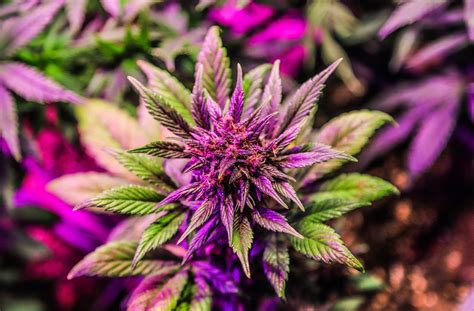
CBD might have a positive impact on certain cannabinoid receptors that affect anxiety. Although evidence is still limited — research indicates that CBD may have anti-anxiety properties. A few small studies have examined CBD as a potential treatment for sleep disorders.
One drawback of melatonin is its ability to induce drowsiness the following day. Monthly subscription purchases cost $77, which is significantly lower yet still pricier than a two-month supply of Medterra. To fully experience the benefits of the tincture, it should be kept under the tongue for 45 to 60 seconds.
It’s no surprise that CBD may help with a wide range of symptoms and conditions. This comprehensive, evidence-based CBD 101 guide will answer these and many other questions. Millions worldwide use CBD oil and other CBD products to help with pain, anxiety, sleep problems, and many other common symptoms and disorders. But I certainly hope so ― because I’m not willing to give up these blissful eight-hour nights and energy-filled days I’m experiencing anytime soon. Lidicker added that people’s responses have a lot to do with how they personally process the product, and how cannabinoid receptors are distributed throughout the body.
Ideally — adults should get between 7 and 9 hours of sleep each night. In our expert guide, discover the little-known anxiety symptoms that might be impacting your day-to-day life. Our experts try nine effective ashwagandha supplements to help you pick the best one in 2026. We scour the market for the best L-theanine supplements to support sleep, mood, and cognition. Our expert team tries and compares the best stress-relief supplements for efficacy, cost, taste, and more With an eye on effect, safety, and cost, find out which CBD products are best for anxiety symptoms.
Others include melatonin or 5-HTP or L-tryptophan or magnesium. If you’re considering taking a product containing CBD, try to choose a product whose ingredients have been validated by an independent laboratory. For example, you’re taking a medication (Drug A) that you know treats an illness but, annoyingly, it makes you feel a little dizzy as a side effect. If you’re already taking medication and then choose to take CBD, this can alter how long the other medication stays in your system.
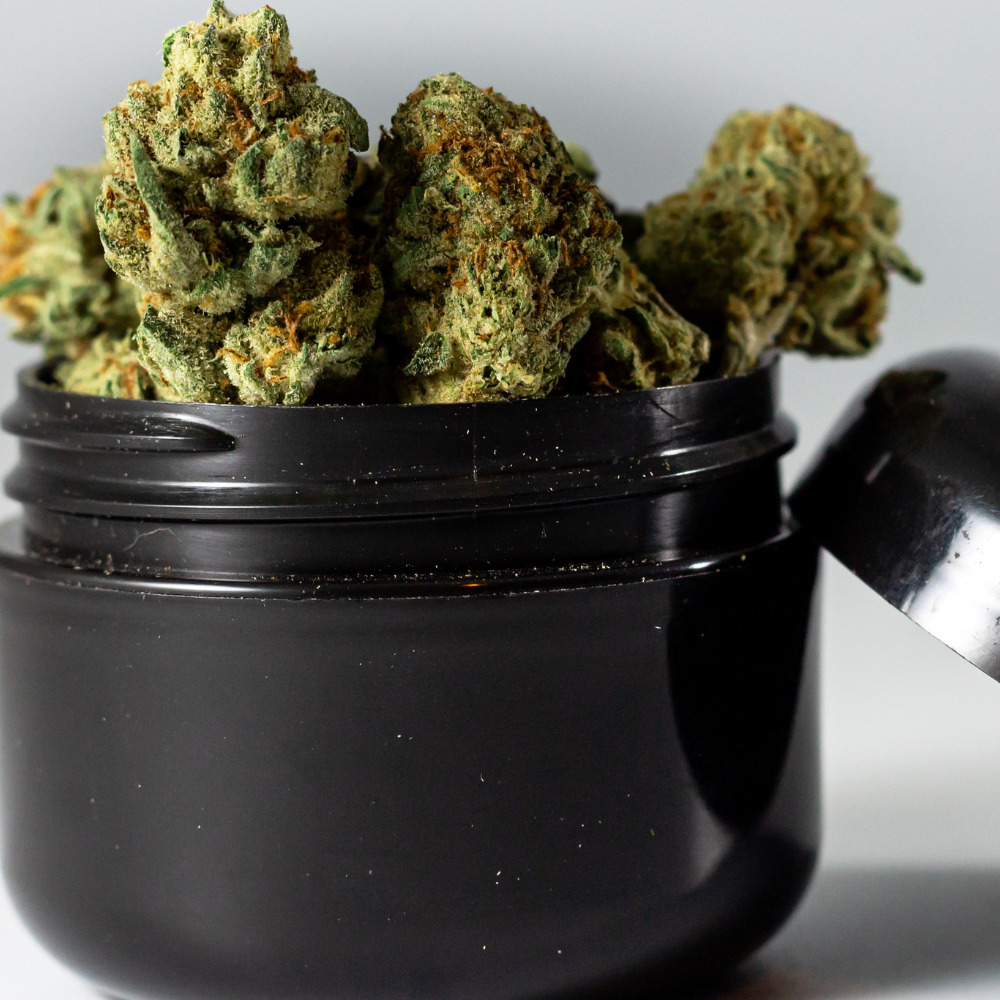
In contrast, its benefits were less evident (and often absent) in participants who had primary neurologic, psychiatric, or sleep disorders, and virtually no benefit was observed in healthy individuals. Among RCTs (only 7 of 19 demonstrated significant improvements in sleep), and similarly, 7 of 12 non-randomized studies reported positive sleep-related outcomes. The review evaluated results from both randomized controlled trials (RCTs) and uncontrolled investigations, defining positive outcomes as meaningful enhancements in sleep architecture or self-reported sleep quality. However, additional studies, especially controlled clinical trials, are necessary to better understand these relationships, establish causality, and guide safe and effective use of cannabis products for sleep disorders.
Leave A Reply (No comments so far)
The comments are closed.
No comments yet